208
Total Aircraft Assigned
3
Weapons System Platforms
400+
Pilots Trained Annually
O + I
Maintenance Levels Performed
The Situation
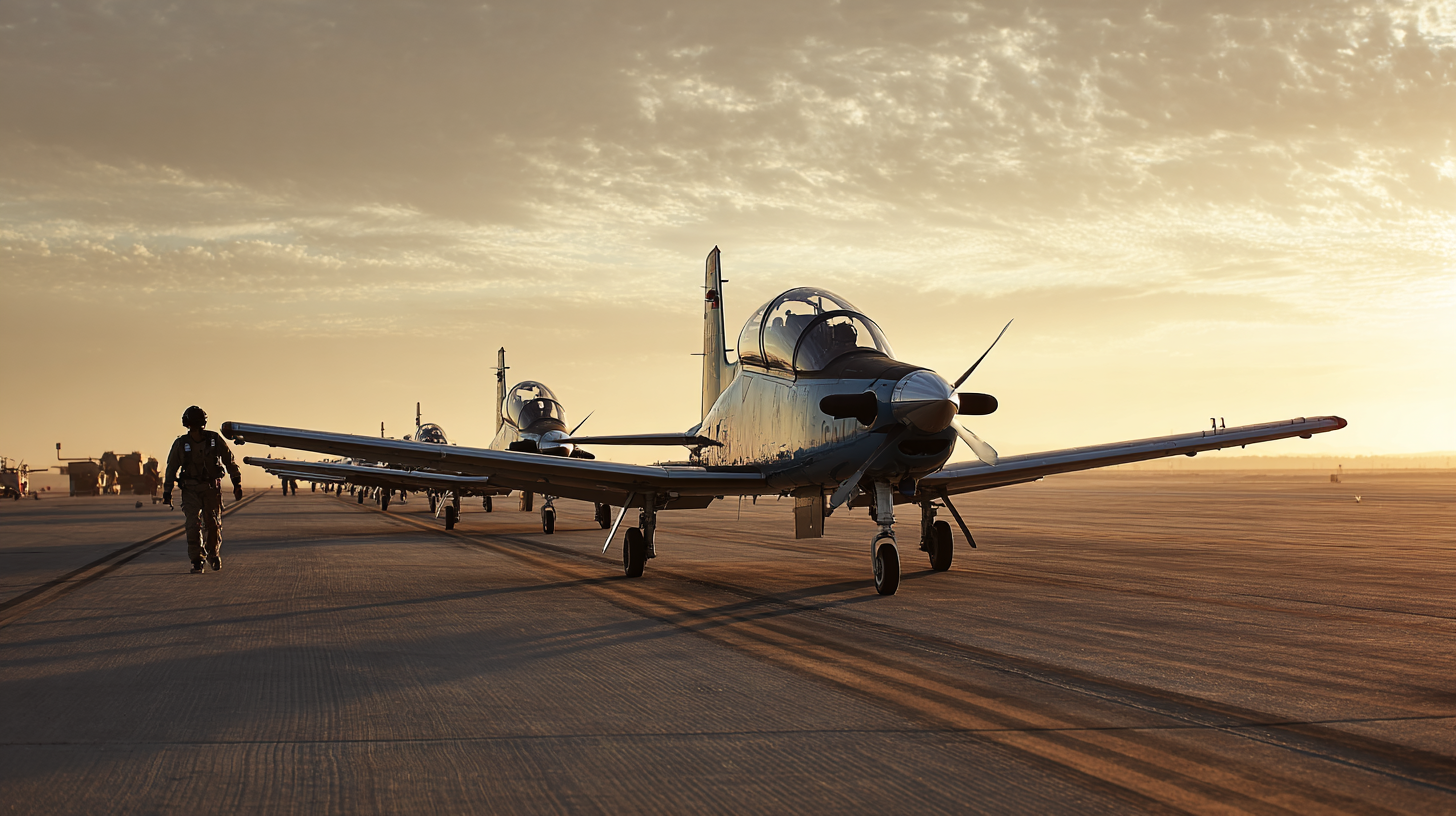
The 71st Flying Training Wing (FTW) at Vance Air Force Base, Oklahoma, conducts Specialized Undergraduate Pilot Training (SUPT) under Air Education and Training Command (AETC), annually producing over 400 U.S. military and allied student pilots for worldwide deployment and Air Expeditionary Forces support. The wing operates a fleet of 208 assigned aircraft across three mission design series: 99 T-6A Texan II primary trainers, 64 T-38C Talon advanced trainers, and 45 T-1A Jayhawk tanker/transport trainers.
Sustaining the flying program requires a comprehensive aircraft maintenance enterprise covering organizational level (O-Level) production, specified intermediate level (I-Level) back shop maintenance, airfield management, aircrew flight equipment, and the full cycle of maintenance operations including planning, scheduling, and fleet management across all three weapons system platforms.
Our Approach
GTS delivers flight operations support under Task Order FA3002-21-F-0119, awarded through the 338th Enterprise Sourcing Squadron Aircraft Maintenance Enterprise Solution (AMES) multiple award contract. The engagement provides all equipment, supplies, transportation, tools, materials, supervision, and non-personal services necessary to perform aircraft maintenance as defined in the PWS, covering the entire scope of O-Level production, specified I-Level maintenance, airfield management, aircrew flight equipment (AFE), and maintenance support activities.
Organizational Level Maintenance covers flight line operations for all three MDS platforms. GTS technicians perform pre-flight, post-flight, and through-flight inspections, launch and recovery operations, scheduled and unscheduled maintenance, and servicing of aircraft systems. Fleet management utilizes available resources to ensure disciplined and prioritized planning, scheduling, and analysis that optimizes aircraft availability for operational requirements including flying events, ground training, scheduled inspections, configuration control, modification schedules, and recovery maintenance.

Intermediate Level Maintenance provides back shop support including component repair, avionics, propulsion, egress systems, non-destructive inspection, and support equipment maintenance. GTS technicians maintain the specialized tooling, test equipment, and technical data required to return components to serviceable condition and minimize aircraft downtime between sorties.
Airfield Management and Aircrew Flight Equipment operations ensure safe airfield operations and maintain the life support equipment that student and instructor pilots depend on during flight training. GTS personnel maintain flight equipment serviceability, inspect and pack personal survival equipment, and coordinate with airfield operations to support the daily flying schedule.
The Results
GTS meets or exceeds all performance thresholds established in the Services Summary, delivering safe, airworthy, and mission-capable aircraft to support the 71st FTW’s pilot production mission. The engagement sustains aircraft availability rates that enable the wing to meet its annual production target of 400+ graduates, while maintaining full compliance with AETC and Air Force maintenance technical orders, safety directives, and environmental management requirements.
This engagement demonstrates GTS’s capacity to deliver full-spectrum aircraft maintenance services across multiple weapons system platforms in a high-tempo flying training environment. The requirement for qualified airframe and powerplant technicians, avionics specialists, egress system mechanics, and NDI inspectors across three distinct MDS platforms reflects the technical depth of GTS’s aviation maintenance workforce. The contract structure, awarded through the AMES multiple award vehicle, validates GTS’s competitive standing within the Air Force’s enterprise sourcing framework for flight line and back shop maintenance services.