
3
Programs Supported
50+
State Partners
5
Service Domains
16+
Events Per Year
The Situation
The Federal Emergency Management Agency (FEMA) carries a mission to support citizens and first responders in building, sustaining, and improving national capability to prepare for, protect against, respond to, recover from, and mitigate all hazards. Within FEMA, the Federal Insurance and Mitigation Administration (FIMA) is the component responsible for creating safer communities by reducing loss of life and property, enabling faster recovery from floods, earthquakes, and other disasters, and reducing the financial impact of disasters on the nation. FIMA is a directorate-level organization within FEMA, not a separate agency, and it coordinates its hazard risk programs through a structure of internal divisions and branches that reach state, local, tribal, and territorial partners across the country.
Within FIMA, the Risk Management Directorate’s Planning, Safety and Building Sciences Division administers several of the federal government’s most consequential multi-hazard programs: the National Earthquake Hazards Reduction Program (NEHRP), the Building Sciences Branch (BSB), and the National Dam Safety Program (NDSP). These programs collectively shape how the nation understands, communicates, and reduces risk from earthquakes, floods, high winds, wildfires, tornadoes, and dam failures, producing technical guidance, model codes, training, outreach, and interagency policy that reaches state emergency managers, local officials, engineers, and the public.
Sustaining these programs requires continuous program management support across strategic planning, publications, training, stakeholder engagement, outreach, and performance reporting functions. FEMA engaged GTS to provide that support under a Performance Work Statement spanning five integrated service areas delivered across all three program branches simultaneously.
Our Approach
GTS organized delivery around five service domains that correspond to the core operational requirements of the Planning, Safety and Building Sciences Division. Each domain spans all three program branches, creating an integrated support structure that enables FEMA program managers to focus on mission execution while GTS handles the management and coordination infrastructure.
Strategic Planning and Process Improvement forms the governance backbone of the engagement. GTS provides facilitation, documentation, and process design support for the development and maintenance of strategic plans, operational procedures, and inter-agency communications strategies for NEHRP, BSB, and NDSP. This includes quarterly stakeholder planning meetings, internal SOP development and annual review cycles, and State and Territorial earthquake program coordination through structured LISTSERV communications and monthly program manager calls. For the National Dam Safety Program, GTS supports advisory board meetings, Joint Portfolio Reviews, and internal brainstorming sessions that shape IIJA initiative priorities.
Publications Management sustains the technical literature infrastructure that FEMA’s hazard programs depend on for mission delivery. GTS coordinates the full publication lifecycle across both NEHRP and BSB portfolios: executing print plans, monitoring production and dissemination, maintaining the Building Science Branch Publications Management Resource Guide, ensuring Section 508 compliance, and preparing GovDelivery release announcements. For the National Dam Safety Program, GTS develops the Annual Year in Summary Brochure and the Biennial Report to Congress, including data collection from Federal agencies and all 50 State dam safety offices, graphics support, and final InDesign layout delivered to FEMA Print Office standards.
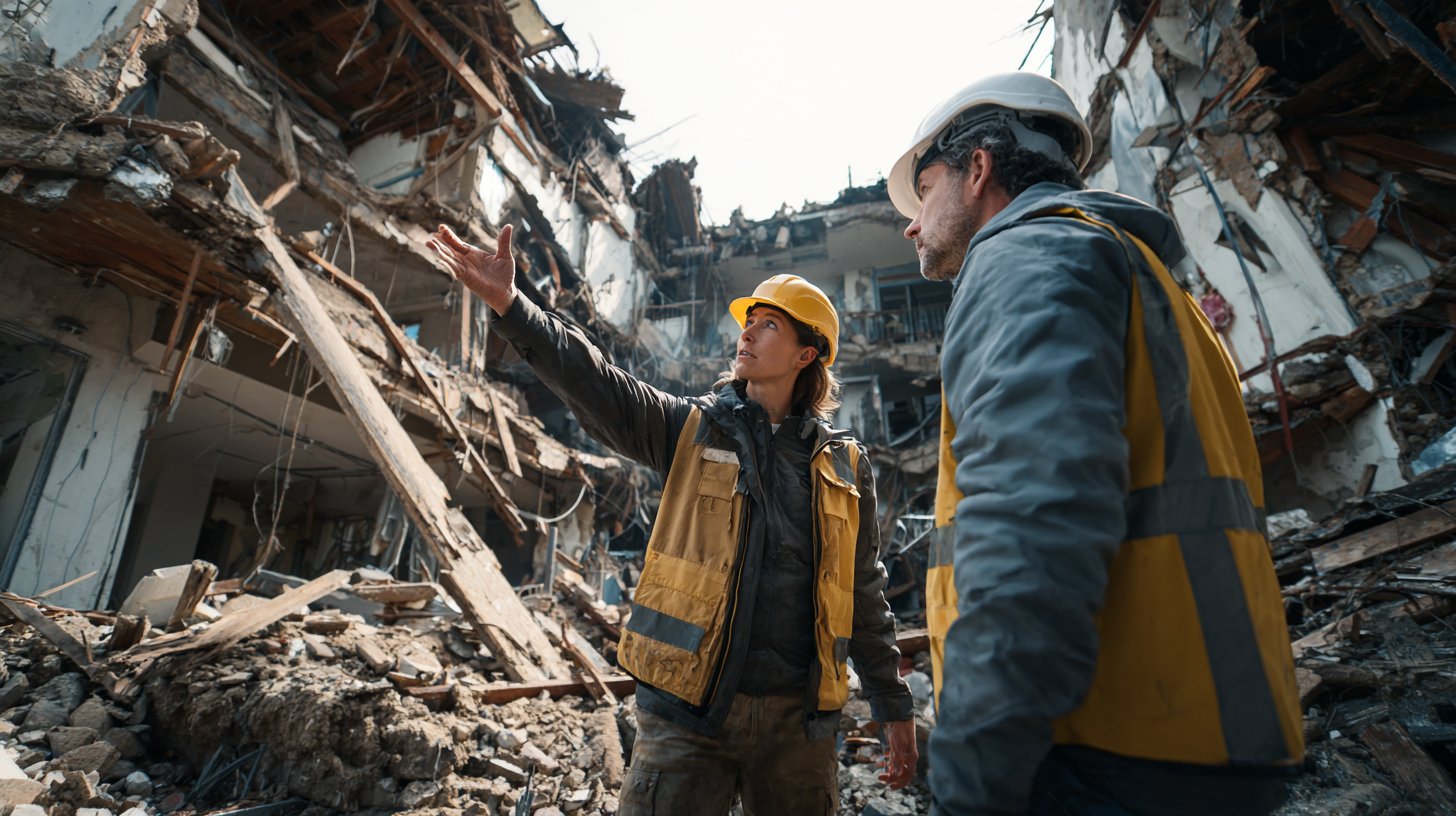
Training Management covers the development, maintenance, and delivery of technical training across all three programs. GTS manages training activities for NEHRP, BSB, and NDSP; maintains Training Management Resource Guides and master course calendars; and supports the development of new training courses responding to identified gaps in State and local dam safety capability. GTS provides experienced subject matter expert instructors for on-site and online delivery of FEMA-approved courses, including pre-training field visits to localize content for the target audience. The NDSP training portfolio includes high-demand courses in community dam safety preparedness, consequence assessment, and internal erosion, with the flexibility to develop new courses when State or local program needs require it.
Partnership and Events sustains FEMA’s engagement with the national network of State earthquake program managers, regional FEMA offices, consortia, trade groups, and professional organizations that carry NEHRP and BSB mission forward at the community level. GTS develops customizable partner tool kits for homeowners, businesses, schools, and government organizations; coordinates logistics for more than 16 conferences and events annually; and supports the annual National Earthquake Program Managers meeting, including all space planning, materials, facilitation, and after-action documentation. The Collaborative Technical Assistance component of NDSP partnership work enables GTS to provide on-site expertise to dam owners and jurisdictions developing emergency response plans.
Outreach and Information Support amplifies FEMA’s multi-hazard risk communication mission through website management, multimedia content development, webinar production, and quarterly performance reporting. GTS manages FEMA.gov content for both NEHRP and BSB, ensuring that all program information, publications, and training resources are current and accessible. GTS develops interactive video, press releases, fact sheets, and presentations to support awareness campaigns, produces six or more live webinars annually across both program branches, and prepares the NEHRP Quarterly Report for inclusion in the interagency annual report to Congress required under Public Law 108-360. Post-disaster Mitigation Assessment Team deployments, coordinated through FEMA Regional Offices and Joint Field Offices, add a direct field dimension to the outreach mission, translating building performance data into actionable technical guidance for future disaster-resistant construction.
The Results
GTS sustains continuous program delivery across NEHRP, BSB, and NDSP through a unified management structure that coordinates strategic planning, publications, training, partnerships, and communications without interruption to program schedules or stakeholder commitments. State dam safety offices in all 50 states receive consistent data collection and reporting support that feeds the Biennial Report to Congress. More than 50 State and Territorial earthquake program partners maintain current communication through LISTSERV management, monthly coordination calls, and event logistics. Conference and trade show representation at 16 or more events per year ensures that FEMA technical products and guidance reach the professional communities responsible for implementing hazard mitigation at the local level.
This engagement demonstrates GTS’s capacity to operate as an integrated program management partner within a complex federal agency environment, coordinating across multiple program branches, advisory boards, interagency committees, and national stakeholder networks simultaneously. The combination of technical publications expertise, Section 508 compliance knowledge, subject matter expert instruction, and stakeholder facilitation reflects the full-spectrum program support capability that FEMA’s multi-hazard mission requires. The same disciplined approach to multi-site coordination and quality-controlled service delivery that GTS brings to defense and military training environments translates directly to the complexity and stakeholder accountability demands of national hazard risk programs.
GTS applies similar program coordination and stakeholder management depth to its multi-site administrative and logistics support mission at Naval Construction Training Center in Gulfport, where sustained service delivery across three geographically dispersed training installations requires the same integrated management discipline that national hazard programs demand. The technical support and training management capabilities central to the FEMA engagement also align with the instructional systems and readiness support GTS delivers under its TADSS contract at Fort Hood, where training system availability and multi-domain support enable Army readiness outcomes at scale.